


BIOCLIMATIC URBAN DEVELOPMENT
in Vienna
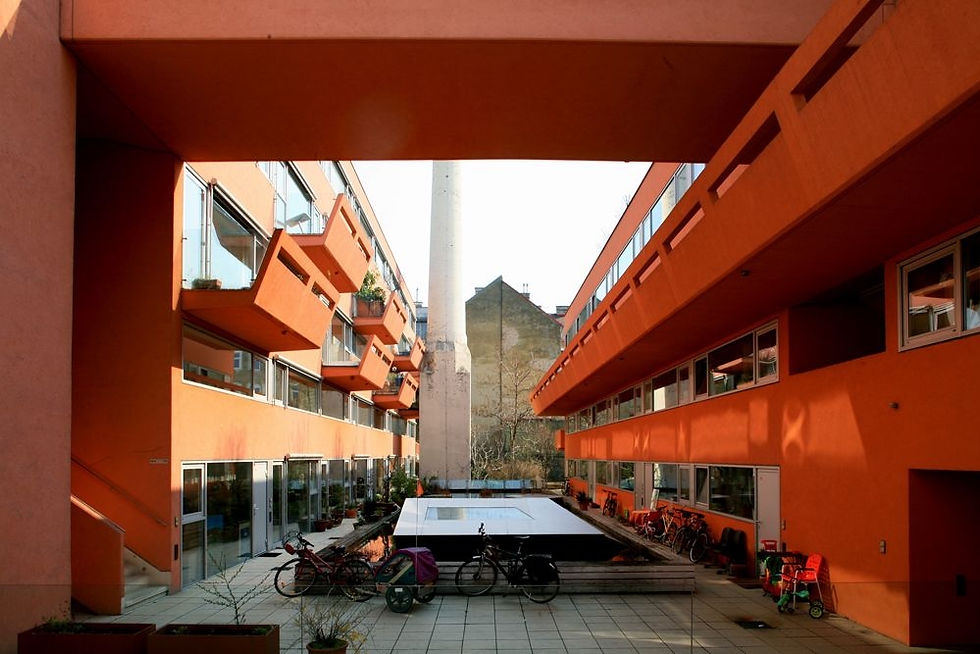
Vienna is a global model when it comes to developing and experimenting with affordable housing apartments that both nurses and accountants can afford to live in. Since around the First World War, the city government has invested heavily in large-scale, highly varied housing typologies and high-quality mixed urban districts. In 2022, a seven-year innovative urban development initiative came to an end, during which a wide range of partners, in collaboration with the City of Vienna, invested in around 100 new housing and mixed-use projects aimed at a diverse group of citizens with very different wishes and needs.
In general, timber construction is a key focus alongside a high level of ambition when it comes to supporting communities.
POSSIBLE FOCUS AREAS
Social housing / mixed-use and transformation
-
Flexible housing models, often based on Baugruppen, for example for residents with specific interests or needs
-
Mixed-use: Most newer housing projects are multifunctional, ranging from music schools and association activities to local radio — or also functioning as workplaces for small businesses, reflecting post-Covid working patterns
-
Timber construction: Award-winning multi-storey buildings developed by timber construction specialists, from developers and timber producers to architects
-
Strong emphasis on green recreational outdoor areas, from shared gardens to sports facilities and more
-
Vienna was also an industrial city around 1900; for example, former administrative buildings have been transformed into 1.200 apartments


Aspern Seestadt and eight other urban development areas
-
Aspern Seestadt: A car-free urban development area with space for 25.000 residents and 20.000 workplaces
-
Gain insight into how the long-term development of the masterplan for the former airport site has been approached strategically
-
Timber construction: From experiments with affordable housing in timber/CLT to one of the world’s tallest timber/CLT hybrid high-rises
-
Plus-energy houses: Energy systems with minimal energy consumption, capable of supplying energy to other developments
-
The mixed city: Most urban and housing areas are developed with a focus on large green spaces, co-working areas and shared functions that residents can use together
Biotope City and biodiversity
-
A dense residential area with 950 apartments and green roofs that reduce temperatures by up to 2.2 degrees
-
The world’s first climate-fit GREENPASS Platinum-certified urban space
-
Rainwater systems that reduce flooding and contribute to cleaner air
-
A central park has partly been developed as a more classical park, while other areas have been further developed as wild urban nature

INTERESTED IN A PROGRAM
Practical information
A package may include:
-
Flights and hotel accommodation through a travel agency we collaborate with
-
A programme with in-depth project visits, including presentations and dialogue with local professionals, such as developers, timber producers, architectural studios, project managers, landscape architects, energy specialists, resident group representatives and others
-
Local urban development guides who place the projects and urban districts in context, from their historical background to current trends
-
Organisation of cycling tours, walking tours, lunches, dinners and other practical arrangements
For more information and details, contact us to arrange your professional programme.
the historical Vienna
Iconic architects such as Otto Wagner and Harry Glück have shaped Vienna.
The city offers strong examples of Art Deco and Art Nouveau, while large-scale housing communities and mixed-use projects are deeply rooted in its urban history.
